· 4 min read
Pitching Style.ai at Product Leaders Forum 2023
Five minutes on stage to pitch AI-generated on-model fashion imagery — the problem, the idea, the numbers, and walking away with an award.
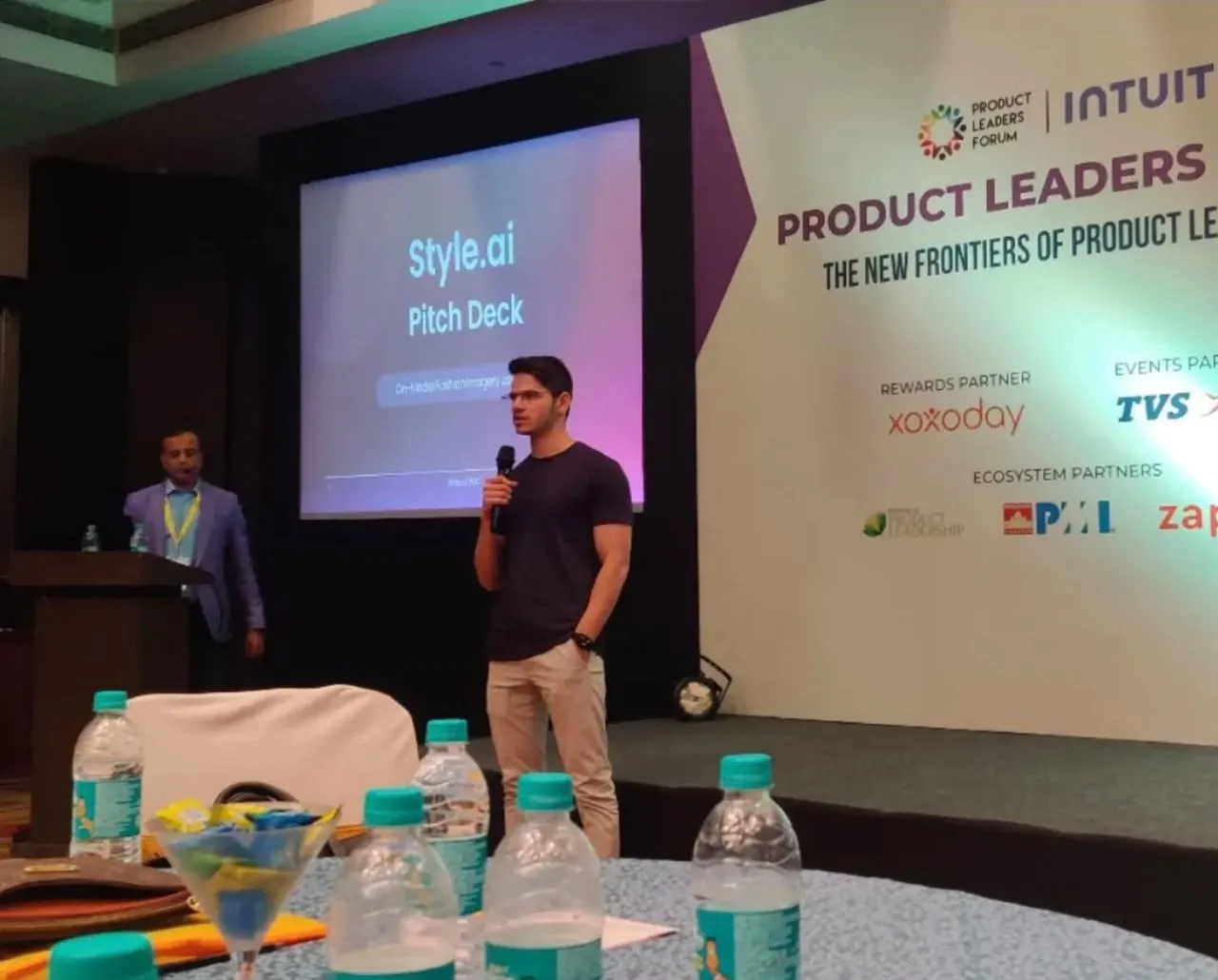
In March 2023 I pitched Style.ai at the Product Leaders Forum, Bangalore 2023 — a two-day, invitation-only gathering of product leaders at Fortune Select Trinity, Whitefield. The Startup Pitch track had a simple format: five startups, five minutes each, in front of a jury of product leaders. Style.ai came away with an award.
Here's what we pitched, and why.
The problem: every product photo is a photoshoot
Open any fashion site and scroll. Every dress, every pair of jeans, is shown on a model. What you don't see is what it took to get each of those images there:
- Find a photographer and a makeup artist.
- Find models who fit the brand.
- Shoot every garment.
- Edit the photos and upload them.
That process takes days, sometimes weeks — and it isn't cheap. A single day of a modelling shoot costs roughly ₹25,000: about ₹15,000 for the model and stylists, and ₹10,000 for photography and setup. Priced per product, studios charged anywhere from ₹300 for three flat-lay images to ₹1,450 for three shots with an international model.
For a catalogue with thousands of SKUs, that adds up to three real problems:
- Time and cost — every new product means another shoot.
- Lack of diversity — you only get the models who were booked that day.
- Limited scalability — a shoot doesn't scale with a catalogue.
The idea: AI-powered on-model imagery
Style.ai takes two inputs — a product image and a model image — and generates the model wearing that product. No studio, no booking, no reshoot.
Once the garment is separated from the shoot, a lot opens up:
- Model options — show the same piece on different body types, skin tones and ages.
- Outfit customisation — swap the trousers under a T-shirt without shooting again.
- Background customisation — put the same look in a studio, a living room or a street.
Industry data at the time pointed to 75%+ savings on photoshoot costs and 10x faster turnaround compared with traditional shoots.
The bigger picture: imagery that fits the shopper
The part of the pitch I was most excited about went beyond cost. If on-model imagery is generated, it can be personalised.
Imagine Myntra showing a shopper in Bangalore, one in Kolkata and one in Nagpur the same dress — each on a model they relate to. Shoppers who can picture themselves in a product are more likely to buy it. Take it one step further and it becomes virtual try-on: seeing the clothes on you while you shop.
Who it's for, and how it makes money
We pitched to two kinds of customers:
| Customer | Examples | Pricing |
|---|---|---|
| E-commerce platforms | Myntra, Flipkart, Amazon, Tata CLiQ | Enterprise pricing, integrated into their catalogue pipeline |
| Retailers and resellers | Brands and sellers with their own stores | Slab-based pricing by number of images |
The space wasn't empty — ZMO.AI, Zeekit (acquired by Walmart), Lalaland and Vue.ai had together raised over $35M at the time. To us, that was validation: the problem was real and funded globally, and the Indian market — with its catalogue sizes and price sensitivity — was wide open.
Winning, and the team
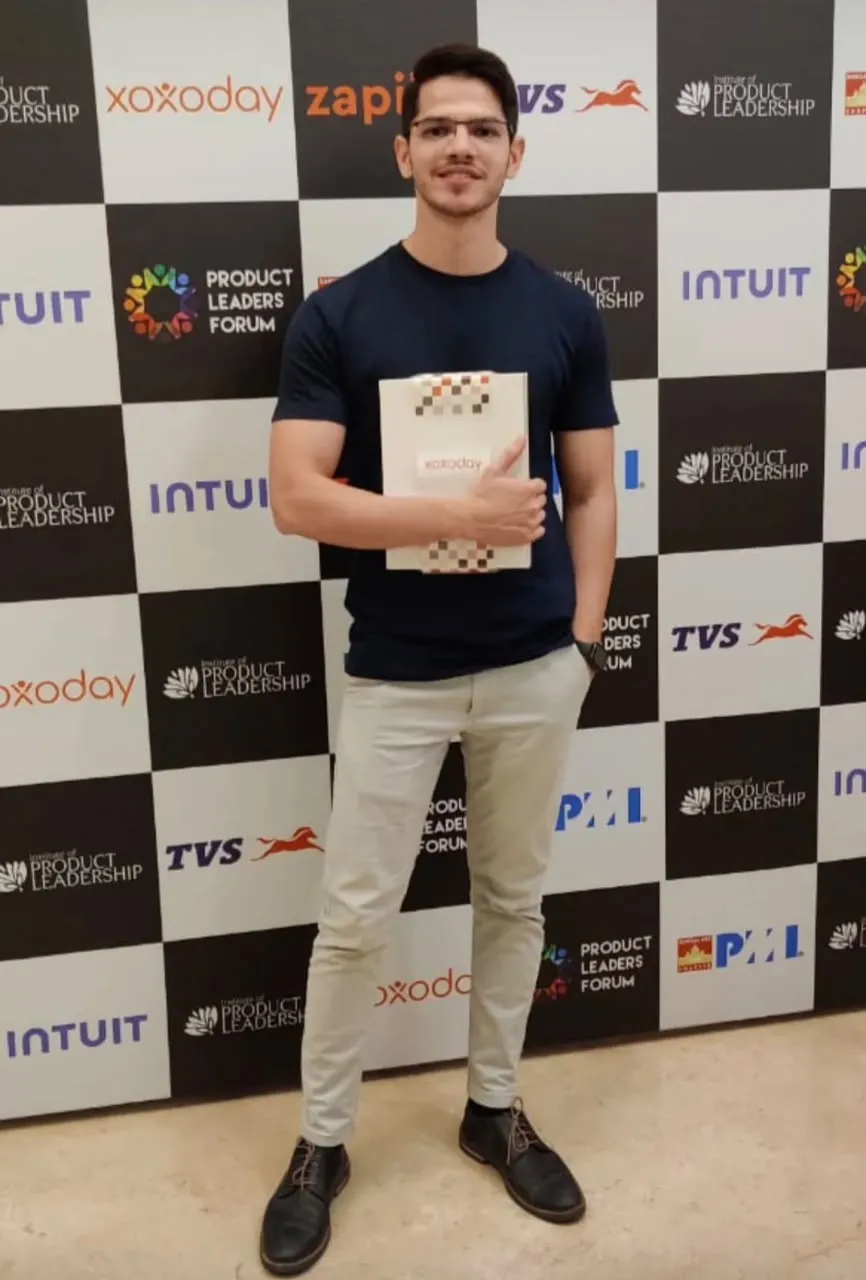
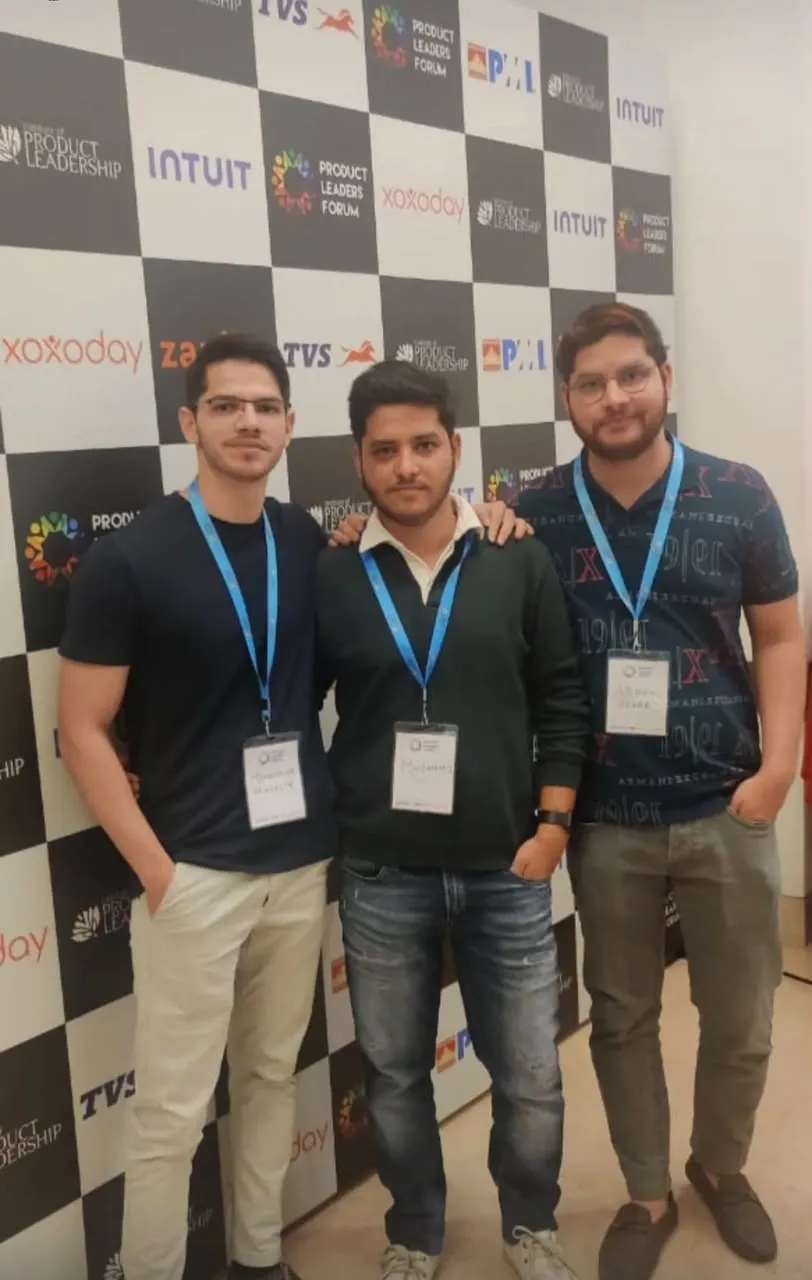
Style.ai was a proof of concept built by a small team — I was the software engineer and presented the pitch, with Abdul Azeez on the backend and Mohammed Muzammil on the UI, and advice from Prasanna Alagesan (business development) and Jebastin P (technology).
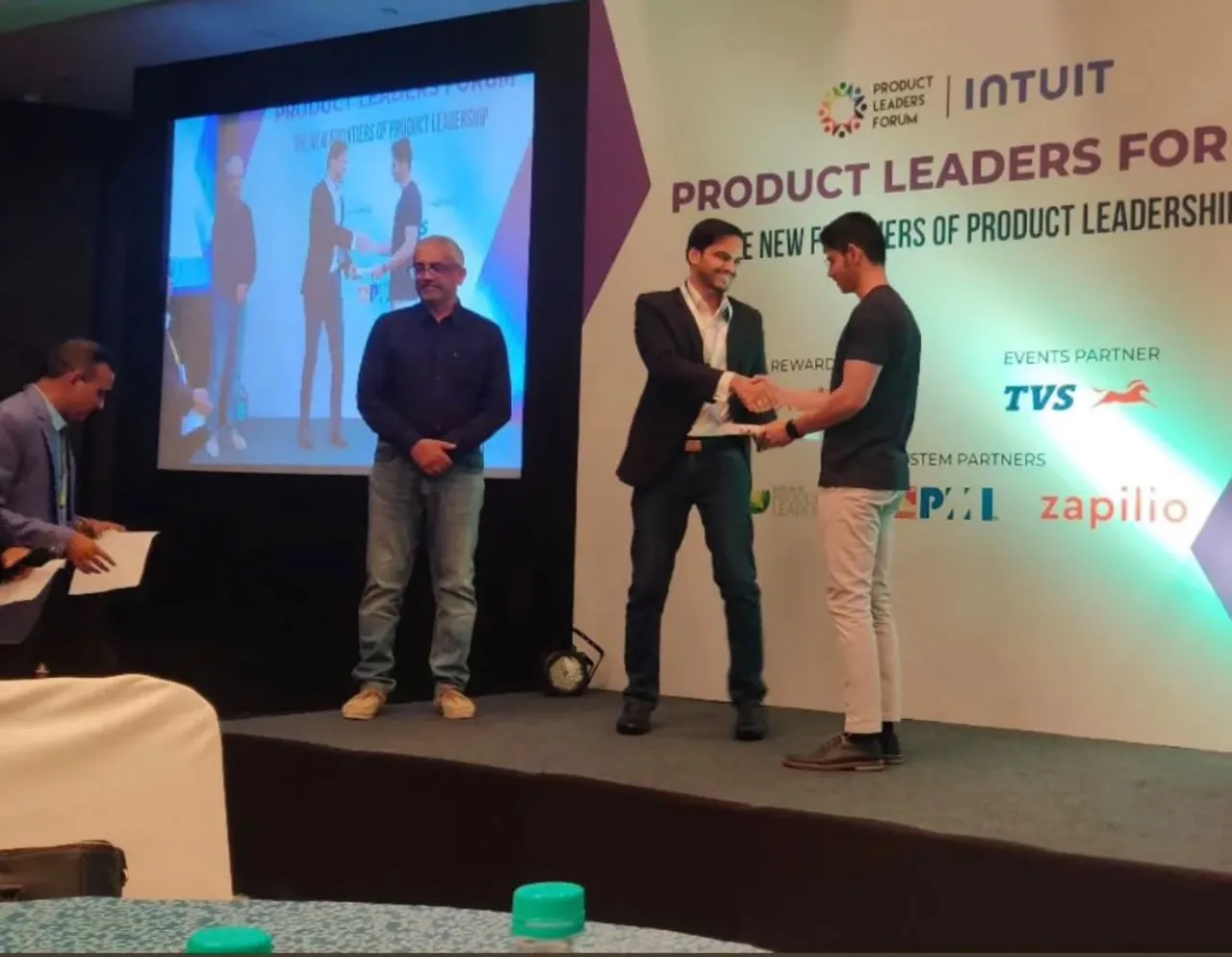
Five minutes is not long. It forces you to cut the pitch down to what matters: a problem everyone in the room has seen, a clear before-and-after, and numbers that make the case on their own. Standing in a room full of product leaders and having the idea recognised was a big moment — and a reminder of why I like building products, not just features.
Written by Mohammed Mudassir, senior software engineer in Bengaluru. Turning ideas into scalable products.